Table of Contents
The SaaS market is projected to reach $908 billion by 2030, with a compound annual growth rate of 18.7%. From startups to enterprise giants, businesses are increasingly choosing the SaaS model for its scalability, recurring revenue, and lower barrier to entry for customers.
Whether you're a startup founder with a SaaS idea or an enterprise looking to transform your software into a cloud-based service, this guide covers everything you need to know about SaaS development—from architecture decisions to pricing strategies and scaling considerations.
What is SaaS Development?
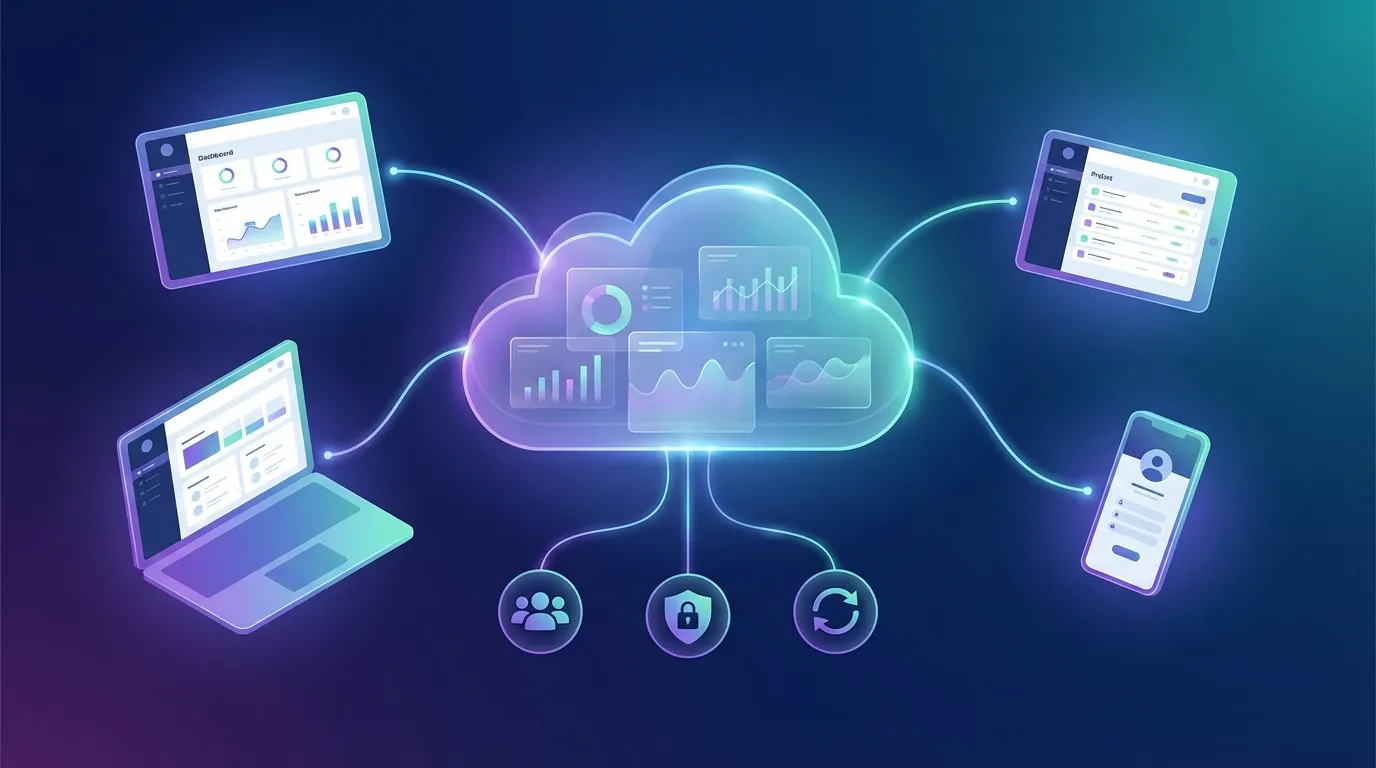
Software as a Service (SaaS) is a software distribution model where applications are hosted in the cloud and made available to customers over the internet on a subscription basis. Unlike traditional software that requires installation on individual computers, SaaS applications are accessible from any device with an internet connection.
Key Characteristics of SaaS
- Multi-Tenancy - Single instance serves multiple customers with data isolation
- Subscription-Based - Recurring revenue model (monthly/annual billing)
- Cloud-Hosted - No local installation required for end users
- Automatic Updates - All users receive updates simultaneously
- Scalable Infrastructure - Resources scale based on demand
- API-First Design - Integrations and extensibility built-in
Popular SaaS Examples by Category
- Project Management - Asana, Monday, Jira, Notion
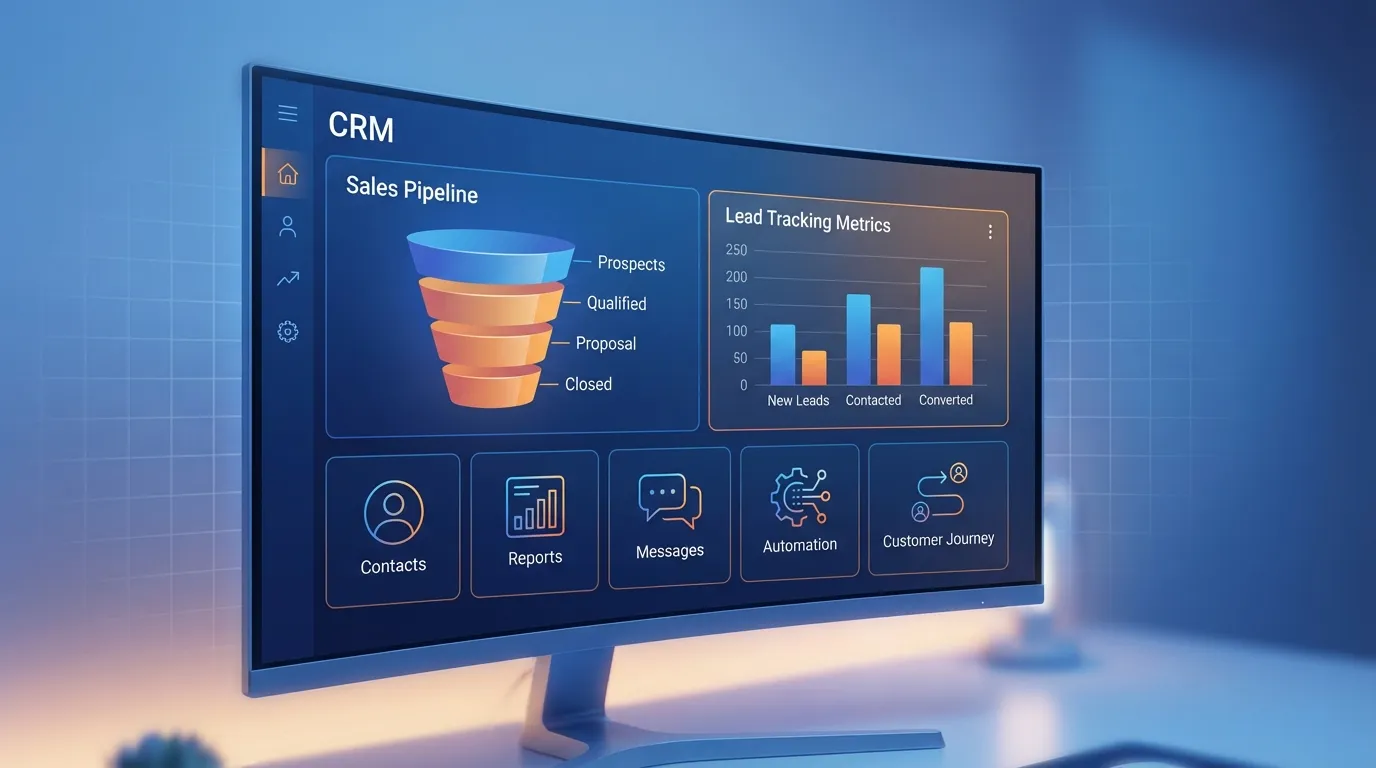
- CRM - Salesforce, HubSpot, Pipedrive
- Communication - Slack, Zoom, Microsoft Teams
- Design - Figma, Canva, Adobe Creative Cloud
- Analytics - Google Analytics, Mixpanel, Amplitude
- Finance - QuickBooks Online, Xero, Stripe
SaaS Architecture: Building for Scale
The right architecture decisions made early will determine whether your SaaS can scale to millions of users or crumble under moderate load.
Multi-Tenant Architecture Options
1. Shared Database, Shared Schema
All tenants share the same database tables with a tenant_id column for isolation.
- Pros: Most efficient resource usage, easiest to maintain
- Cons: Complex data isolation, single point of failure
- Best for: SMB-focused SaaS with many small tenants
2. Shared Database, Separate Schemas
Each tenant gets their own database schema within a shared database.
- Pros: Better isolation, easier customization per tenant
- Cons: Schema management complexity, moderate resource usage
- Best for: Mid-market SaaS with customization needs
3. Separate Databases
Each tenant gets their own dedicated database instance.
- Pros: Maximum isolation, compliance-friendly, easy backup/restore
- Cons: Higher costs, complex management
- Best for: Enterprise SaaS with strict compliance requirements
Essential Architectural Components
A robust SaaS architecture built with modern DevOps practices includes:
- API Gateway - Rate limiting, authentication, request routing
- Authentication Service - User management, SSO, OAuth, MFA
- Billing Service - Subscription management, usage tracking, invoicing
- Notification Service - Email, SMS, push notifications, webhooks
- Analytics Service - Usage metrics, customer health scoring
- Admin Dashboard - Tenant management, configuration, support tools
SaaS Tech Stack Recommendations
Frontend Technologies
- React - Component-based, large ecosystem, excellent for complex UIs
- Vue.js - Progressive framework, gentle learning curve
- Next.js - React framework with SSR, ideal for SEO-sensitive pages
- TypeScript - Type safety reduces bugs, improves maintainability
Our React development team has built numerous SaaS dashboards with complex data visualization and real-time updates.
Backend Technologies
- Node.js - Fast development, excellent for real-time features
- Python/Django - Rapid development, great for data-heavy applications
- Go - High performance, excellent for microservices
- Ruby on Rails - Convention over configuration, fast prototyping
Database Options
- PostgreSQL - ACID compliance, JSON support, excellent for complex queries
- MongoDB - Document-based, flexible schema, good for rapid iteration
- Redis - Caching, sessions, real-time leaderboards
- Elasticsearch - Full-text search, log analytics
Infrastructure & DevOps
- AWS / GCP / Azure - Major cloud providers with SaaS-friendly services
- Kubernetes - Container orchestration for microservices
- Terraform - Infrastructure as code for reproducible deployments
- GitHub Actions / GitLab CI - CI/CD automation
Essential SaaS Features to Build
User Management & Authentication
- User registration and email verification
- Social login (Google, GitHub, LinkedIn)
- Role-based access control (RBAC)
- Team/organization management
- SSO integration (SAML, OIDC) for enterprise
- Multi-factor authentication (MFA)
Subscription & Billing
- Multiple pricing tiers (Free, Pro, Enterprise)
- Usage-based billing support
- Payment processing (Stripe, Paddle, Chargebee)
- Invoice generation and management
- Subscription upgrades/downgrades
- Dunning management for failed payments
Admin & Analytics Dashboard
- Customer health metrics
- Usage analytics and trends
- Revenue and MRR tracking
- Customer support integration
- Feature flag management
Communication & Notifications
- In-app notifications
- Email notifications (transactional and marketing)
- Webhook support for integrations
- Activity feeds
SaaS Development Process
Phase 1: Discovery & Validation (2-4 weeks)
- Market research and competitive analysis
- Customer interviews and problem validation
- Feature prioritization (MVP definition)
- Pricing strategy research
- Technical feasibility assessment
Phase 2: Design & Architecture (3-5 weeks)
- Information architecture and user flows
- UI/UX design with prototyping
- System architecture design
- Database schema design
- API design and documentation
- Security architecture planning
Phase 3: MVP Development (8-16 weeks)
- Core feature development
- Authentication and user management
- Billing integration
- Admin dashboard basics
- Testing and quality assurance
Phase 4: Beta Launch (2-4 weeks)
- Private beta with select users
- Feedback collection and iteration
- Performance optimization
- Bug fixes and polish
- Documentation completion
Phase 5: Public Launch & Growth
- Marketing website optimization
- Onboarding flow refinement
- Customer success processes
- Feature roadmap execution
- Scaling infrastructure as needed
SaaS Development Costs
MVP Development Costs
| Complexity Level | Cost Range | Timeline | Features |
|---|---|---|---|
| Simple SaaS MVP | $30,000 - $60,000 | 2-3 months | Basic auth, 1-2 core features, simple billing |
| Standard SaaS MVP | $60,000 - $120,000 | 3-5 months | Full auth, 3-5 core features, team support, integrations |
| Complex SaaS MVP | $120,000 - $250,000 | 5-8 months | Enterprise features, advanced analytics, custom workflows |
| Enterprise SaaS | $250,000 - $500,000+ | 8-12+ months | Full platform, SSO, compliance, white-labeling |
Ongoing Costs to Budget For
- Infrastructure - $500-$10,000+/month depending on scale
- Third-party services - Auth0, Stripe, analytics ($200-$2,000/month)
- Maintenance & support - 15-20% of development cost annually
- Security & compliance - Audits, certifications ($10,000-$50,000/year)
SaaS Pricing Strategies
Common Pricing Models
- Per-seat pricing - Charge per user (e.g., $10/user/month)
- Tiered pricing - Feature-based tiers (Free, Pro, Enterprise)
- Usage-based - Pay for what you use (API calls, storage, etc.)
- Flat-rate - Single price for unlimited access
- Hybrid - Combination of base fee + usage
Pricing Best Practices
- Start with 3 tiers maximum for clarity
- Offer annual discounts (15-20%) to improve cash flow
- Include a free trial or freemium tier for acquisition
- Price based on value delivered, not costs
- Make enterprise pricing custom/contact-based
Key SaaS Metrics to Track
Revenue Metrics
- MRR (Monthly Recurring Revenue) - Total predictable monthly revenue
- ARR (Annual Recurring Revenue) - MRR × 12
- ARPU (Average Revenue Per User) - MRR / total customers
- LTV (Lifetime Value) - Average revenue per customer over their lifetime
Growth Metrics
- CAC (Customer Acquisition Cost) - Cost to acquire one customer
- LTV:CAC Ratio - Should be 3:1 or higher for healthy unit economics
- Net Revenue Retention - Revenue from existing customers (aim for >100%)
- Churn Rate - Percentage of customers leaving (aim for <5% monthly)
Product Metrics
- DAU/MAU - Daily/Monthly Active Users
- Feature Adoption - Percentage using key features
- Time to Value - Time until customer achieves first success
- NPS (Net Promoter Score) - Customer satisfaction indicator
Common SaaS Development Mistakes
1. Over-Engineering the MVP
Don't build for scale before you have product-market fit. Start simple and iterate based on real user feedback.
2. Ignoring Security Early
Security should be built in from day one, not bolted on later. Our cybersecurity team can help architect secure systems from the start.
3. Poor Onboarding Experience
If users can't get value quickly, they'll churn. Invest heavily in onboarding UX.
4. No Clear Upgrade Path
Design your tiers so users naturally want to upgrade as they grow.
5. Neglecting Customer Success
SaaS success depends on keeping customers happy long-term, not just acquiring them.
Ready to Build Your SaaS Product?
Building a successful SaaS requires expertise across web development, cloud infrastructure, security, and product design. At ScalingWeb, we've helped numerous startups and enterprises build SaaS products from concept to scale.
Our team can help you with:
- Technical architecture and technology selection
- MVP development and rapid prototyping
- Scaling existing SaaS products
- Migration from legacy systems to SaaS
- Ongoing development and maintenance support
Ready to discuss your SaaS idea? Contact us for a free consultation to explore how we can help bring your vision to market.

Written by
Stacy
Expert team in digital transformation and web technologies.